Roof Ventilation in Edmond, OK That Lets Your Attic Breathe
Mark Ferguson Roofing & Construction installs roof ventilation in Edmond, OK and the Oklahoma City metro, so trapped heat and moisture leave the attic instead of wearing out your roof.
Signs of Poor Attic Ventilation
An attic without enough airflow traps heat in summer and moisture in winter. Both conditions shorten the service life of your shingles and the wood decking underneath. Most homeowners notice the effects inside the house, through uncomfortable rooms and rising energy costs, long before they inspect the attic.
A quick look from the hallway hatch can tell you a lot. Watch for these common signs that the air in your attic is not moving:
- Upstairs rooms that stay hot even with the air conditioner running
- Cooling bills that climb each summer with no other cause
- Shingles that curl, blister or lose granules early
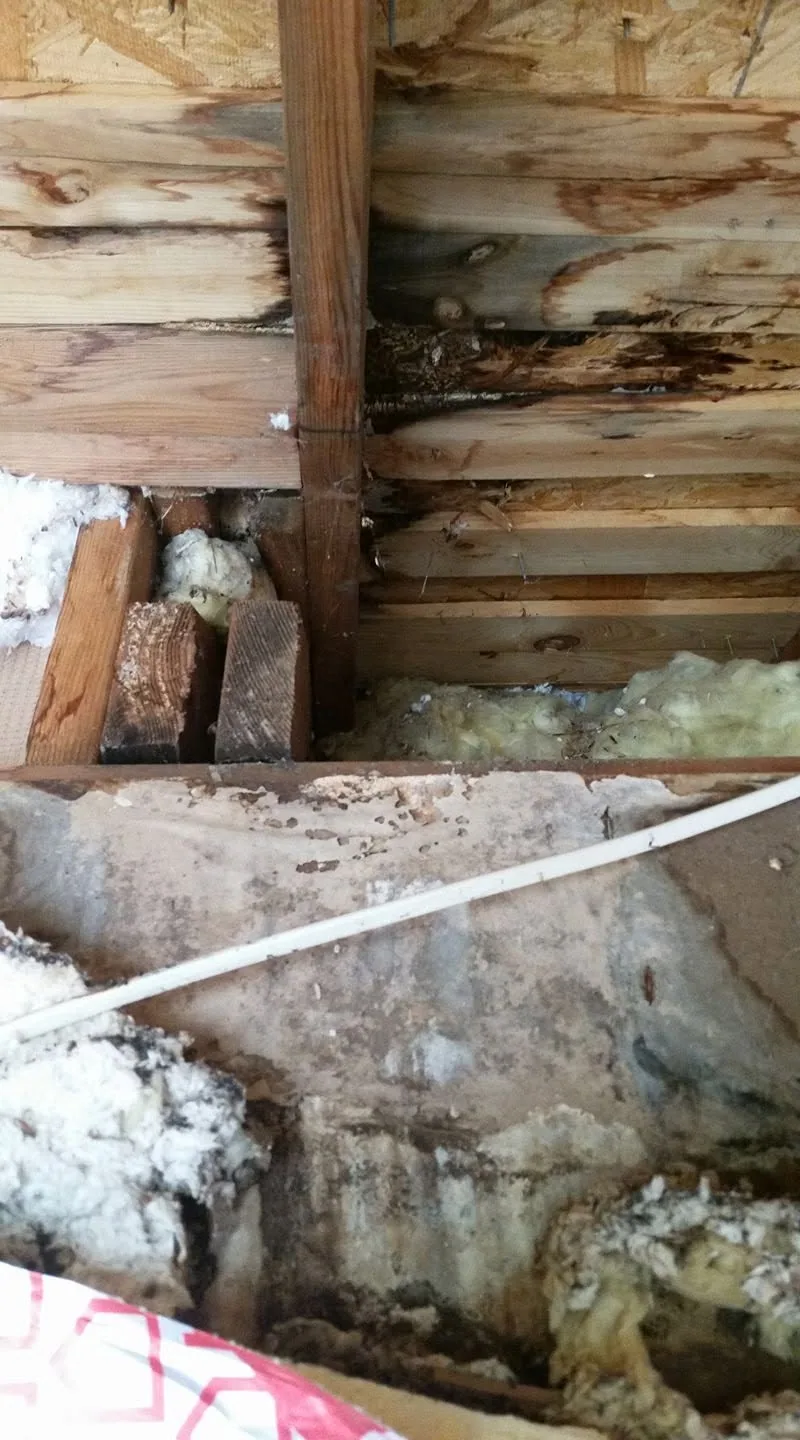
- Damp insulation, rusty nails or dark stains on the attic boards
- A musty smell or frost on the underside of the deck in winter
- Vents at the eaves blocked by insulation or paint
Our Roof Ventilation Process
Effective ventilation depends on a balance of air entering low and exiting high. Each visit is built around finding where that balance breaks down in your attic.
-
Attic Check
We look at the vents you have, the insulation and the condition of the deck. We also check for signs of trapped moisture or heat damage.
-
Airflow Plan
We measure the attic floor and work out how much vent area it needs. You get a written plan for intake and exhaust that fits your roof.
-
Vent Install
Vents are cut in and sealed to the maker's instructions, with flashing where it is needed. Where your city requires a permit, it is in place first.
-
Final Review
We make sure insulation is clear of the eave vents and air has a path to the peak. You see what was done before we leave.
How Much Attic Ventilation a Home Needs
The International Residential Code sets a minimum standard for attic airflow. It calls for at least 1 square foot of net free vent area for every 150 square feet of attic floor. That ratio can drop to 1 for every 300 when the vents are balanced, with 40 to 50 percent of the vent area placed high, within 3 feet of the ridge, and the rest low at the eaves.
Net free area is the open space air can actually pass through, not the size of the vent cover. Screens and louvers take up room, so two vents of the same size can move very different amounts of air.
Balanced placement matters as much as the total vent area. Too much exhaust with too little intake can pull air from the house or draw rain through the vents. We plan both sides together so the attic breathes the way the code and the vent maker intend.
Ridge Vents: Letting Hot Air Out at the Peak
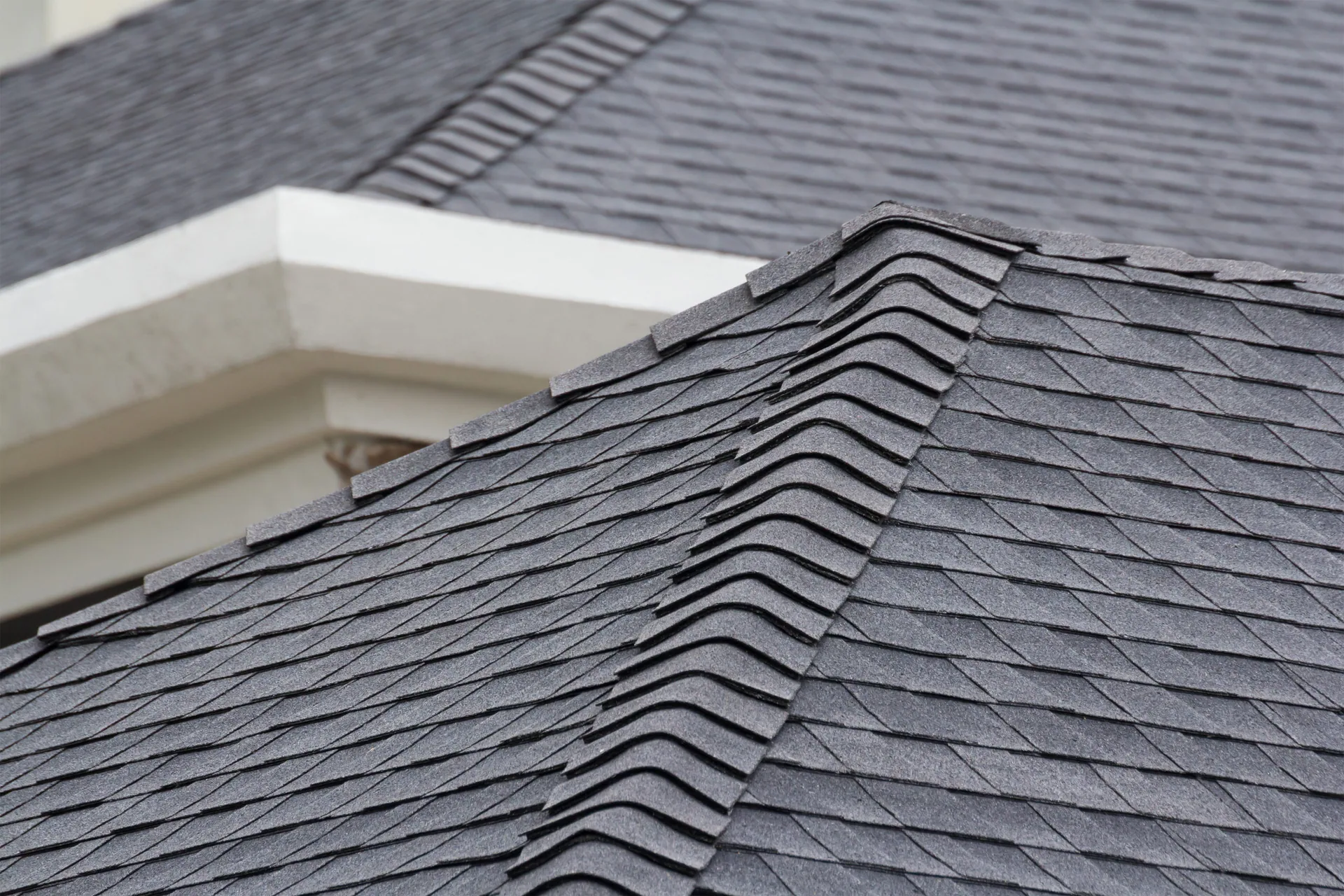
Ridge vents run along the very top of the roof, where the hottest air in the attic gathers. A slot is cut along the peak, and a low vent covered by ridge cap shingles sits over it. From the street, the finished ridge looks like an ordinary roofline.
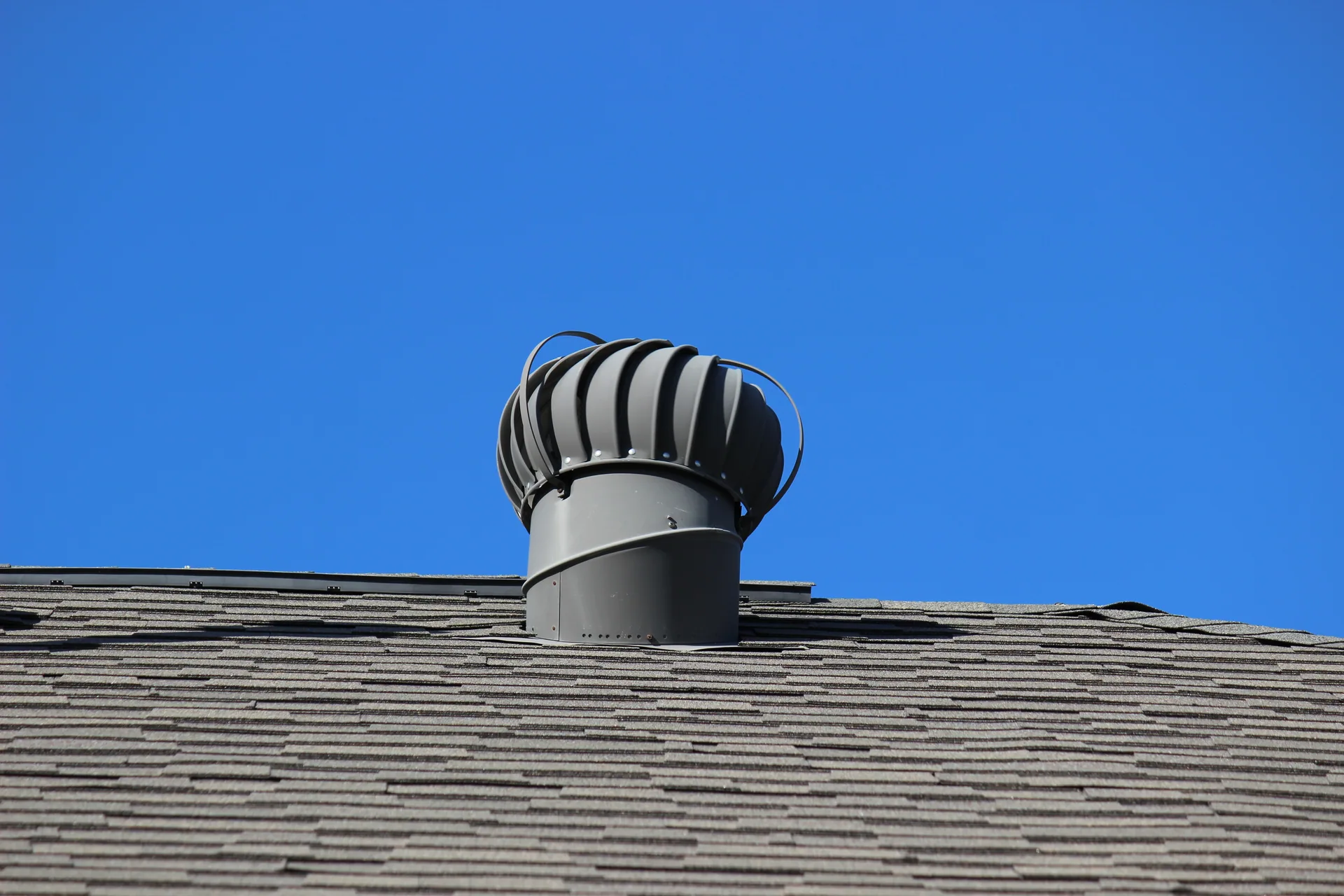
Heated air rises naturally and exits through the ridge, while cooler air moves in at the eaves to replace it. That continuous circulation operates day and night without moving parts or electricity. They also spread exhaust along the full length of the roof instead of a few spots.
A ridge vent works best as the only type of exhaust on a roof. Mixing it with box vents or a gable fan can short circuit the flow, so air comes in through one exhaust vent and out the other while the eaves sit idle. We look at the full layout before adding any new exhaust.
Soffit Vents: Bringing Fresh Air In at the Eaves
Soffit vents provide the intake portion of the ventilation system. They sit under the roof overhang and let outside air into the attic at its lowest point. Without enough intake, even the best ridge vent has little air to move.
Insulation placement is the most common obstruction. When it is pushed tight against the roof deck at the eaves, it blocks the soffit vents. The code calls for at least a 1 inch gap between the insulation and the roof sheathing at each vent, and baffles are often used to hold that space open.
Older homes may have solid soffits with no vents at all, or only a few small ones. Adding vented panels can restore the intake the attic needs. When the soffit or fascia boards behind them are rotted, soffit and fascia repair comes first, so the new vents have sound wood to sit on.
Fixing a Hot Attic in Summer
Oklahoma summers are especially demanding on residential roofing. Oklahoma City set its record in 2011 with 63 days at or above 100 degrees. On days like that, the air in a poorly vented attic can get far hotter than the air outside, and that heat soaks into the shingles from below.
A hot attic in summer also pushes heat into the rooms under it. Your air conditioner then runs longer to keep up, and the upstairs bedrooms never quite cool off in the evening. Moving that hot air out through the ridge, with fresh intake at the eaves, takes much of that load off the house.
Good roof ventilation in Edmond, OK pairs best with solid insulation on the attic floor. Ventilation carries heat away from the roof, and insulation keeps the remaining heat out of your living space. Together they reduce the workload on your air conditioning equipment throughout the summer.
What Affects the Cost of Roof Ventilation in Edmond, OK
The cost of roof ventilation in Edmond, OK depends on what your attic already has and what it needs. We give a free written estimate after we see the attic and measure the roof. These details have the most effect:
- The size of the attic and the vent area the code calls for
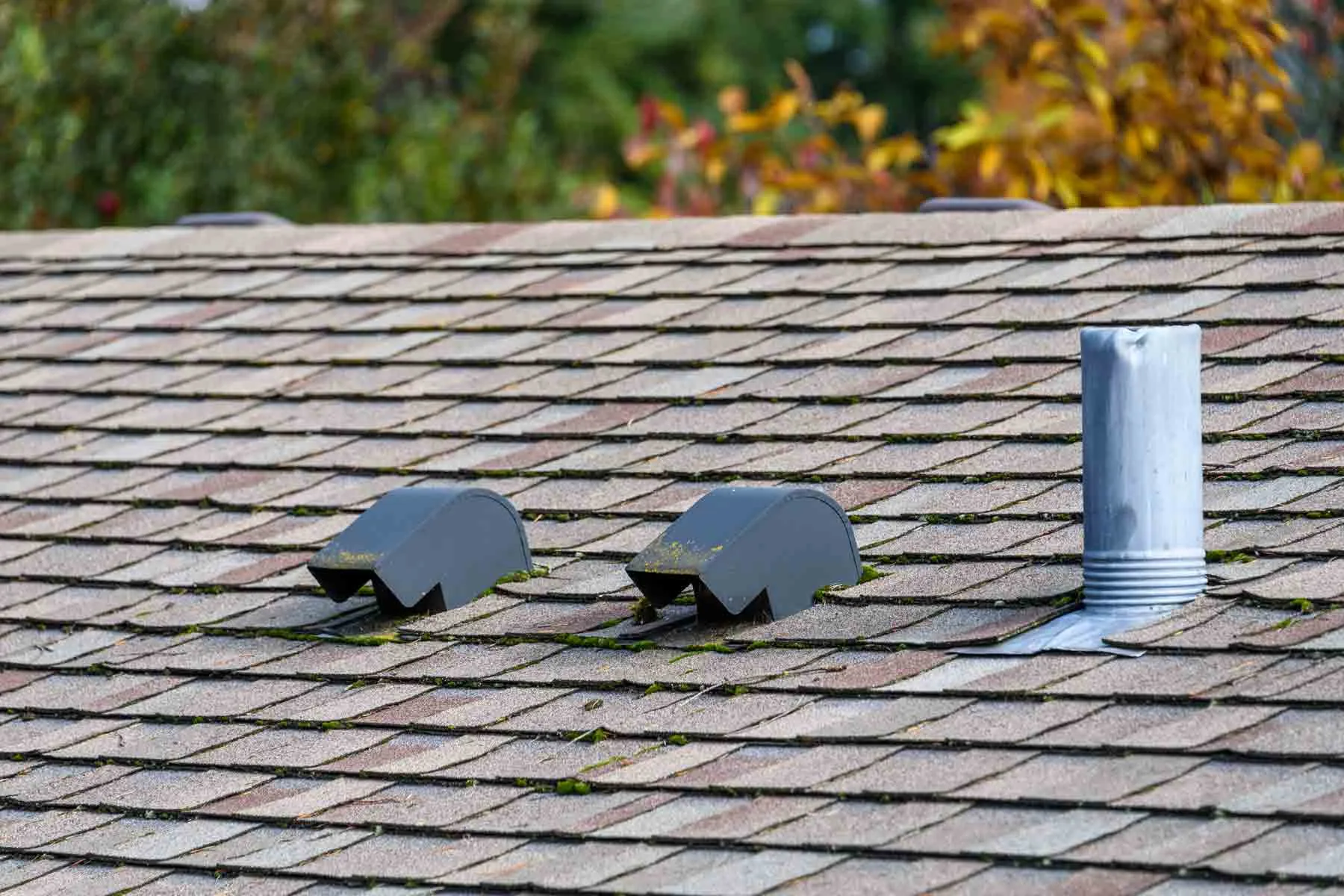
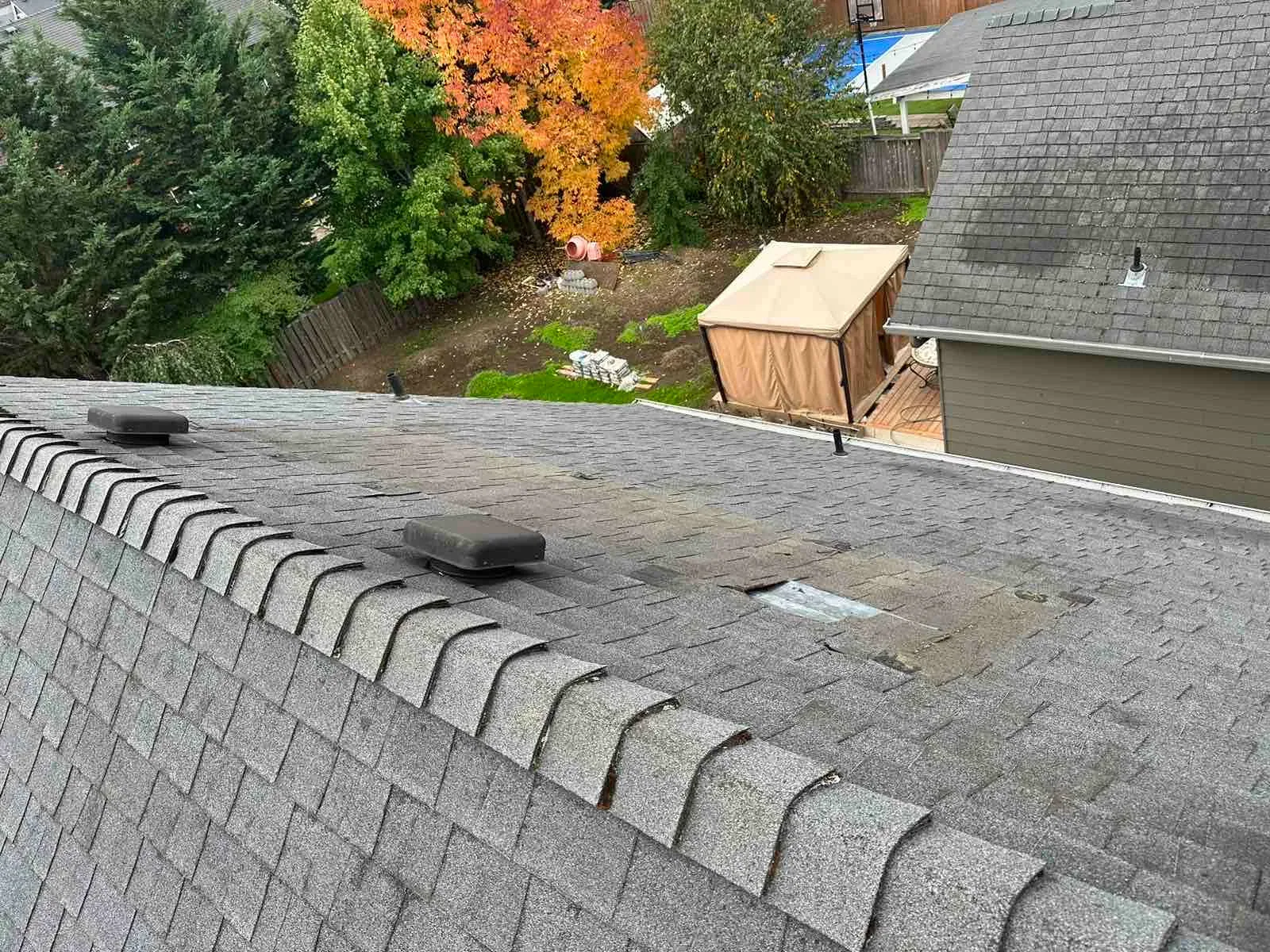
- The type of vents, such as ridge, soffit, box or gable vents
- Whether old vents need to be removed and patched
- The state of the soffit and fascia where intake vents go
- Baffles or insulation work needed to clear the eaves
- Whether the work is part of a new roof or a separate job
Adding vents during a new roof is often the simplest time, since the shingles at the ridge and the deck are already open. A separate visit works too, and we price both ways when it helps you decide.
Why Choose Mark Ferguson Roofing & Construction for Attic Airflow
Mark Ferguson Roofing & Construction has worked on roofs in Edmond and the Oklahoma City metro for more than a decade. We are a GAF Certified Roofer, BBB A+ Accredited, and registered with the Oklahoma Construction Industries Board (Okla. CIB #80000174).
We treat ventilation as an essential component of the roofing system, not an optional accessory. A shingle roof is built to work with a vented attic, and we plan both together so the system does what it was designed to do.
As a local company, we know how central Oklahoma heat and storms wear on a home. Every estimate is free, and we show you what we found in the attic, so you can see why a change is needed before you agree to it.
- GAF Certified Roofer, recognized by the shingle maker GAF
- BBB A+ Accredited Business
- Okla. CIB Registered for roofing, #80000174
- Edmond based More than a decade in the metro
Roof Ventilation Across the Oklahoma City Metro
The need for roof ventilation in Edmond, OK is shared by every town we serve, from older ranch homes with few vents to newer two-story houses with large attics. The fix depends on the roof, but the goal is the same: steady air in at the eaves and out at the peak.
We install roof and attic vents for homeowners in Oklahoma City, Cleveland County, Canadian County and Comanche County. Each home gets the same attic check, the same airflow math and the same free written plan.
A roof inspection is a good first step if you are not sure whether your vents are the problem. Ventilation is one of many roofing and exterior services we handle for homes across the region.
Roof Ventilation Questions from Edmond Homeowners
Can an attic have too much ventilation?
Yes, when the balance is off. Too much exhaust and too little intake can pull cooled air out of the house or draw rain and dust in through the vents. Mixing different exhaust types can also cause problems. The goal is the right amount of vent area, split between the eaves and the peak.
Should I close my attic vents in winter?
No. Attic vents do important work in winter too. Warm, damp air from the house rises into the attic, and the vents let that moisture escape before it condenses on the cold roof deck. Closing them can lead to damp insulation, mold and rot. Keep them open all year round.
Is a powered attic fan better than a ridge vent?
Not always. A powered fan can move a lot of air, but it uses electricity and can pull cooled air from the house through gaps in the ceiling if intake is short. A ridge vent with good soffit intake works without power and spreads airflow along the whole roof. We look at your attic before recommending either.
Can ventilation be added without a new roof?
Often, yes. Soffit intake can be added from below, and box vents can be cut into the existing roof. A ridge vent can be added by removing the ridge cap shingles and cutting a slot along the peak. The work is simpler during a new roof, but it does not have to wait for one.
How do I know if my attic is too hot?
Check the attic on a sunny afternoon. If the air feels stifling and the roof boards are hot to the touch, or upstairs rooms stay warm well into the evening, airflow is likely poor. Signs like curled shingles and high summer cooling bills point the same way. An attic check confirms the cause.
Get Your Attic Breathing Before the Next Heat Wave
A cooler attic protects your shingles and makes the rooms below easier to cool. Call Mark Ferguson Roofing & Construction for a free attic airflow check and a ventilation plan built for your roof.
Mon-Fri 7am-6pm, Sat 8am-5pm, Sun closed